
Anoop Lal, MD
Sustainable Healthcare Consultant
Building the Future of Healthcare
- Preventive Medicine & Public Health Specialist
- Healthcare Technology Entrepreneur
- Managing Director at ZOVOZ
- Medical Director at CareMithra
- Convenor at Sustainable Healthcare Alliance
Exponential Technology
Dr. Lal provides consulting services and advanced technology solutions to the healthcare industry by working with state of the art tech companies around the world.
Sustainable Healthcare
Developing exponential technologies is pointless if you can not make it sustainable. Dr. Lal coordinates public health fund raising to make the best of healthcare accessible to all.
LEADERSHIP
Technology for Sustainable Healthcare
At a time when Robotics & Artificial Intelligence are transforming the world, Healthcare must benefit the most, because it directly touches people’s lives.
Hospital Management Systems
Telemedicine Solutions
Surgical & Rehabilitation Robotics
AI Based Healthcare Automation
Sustainable Healthcare Approach
Sustainable Healthcare Consulting
Sustainability Solutions
Hospital Infrastructure has a major role to play in making healthcare sustainable. Optimal use of exponential technology can make the magic happen.
Healthcare Automation
Medical Robotics and Artificial Intelligence Based Hospital Automation are the next things revolutionising the healthcare industry.
Telemedicine & EMR
Leaps in Telemedicine and EMR Technologies are making remote access the defacto method of sustainable healthcare delivery accross the world.
About Dr. Lal
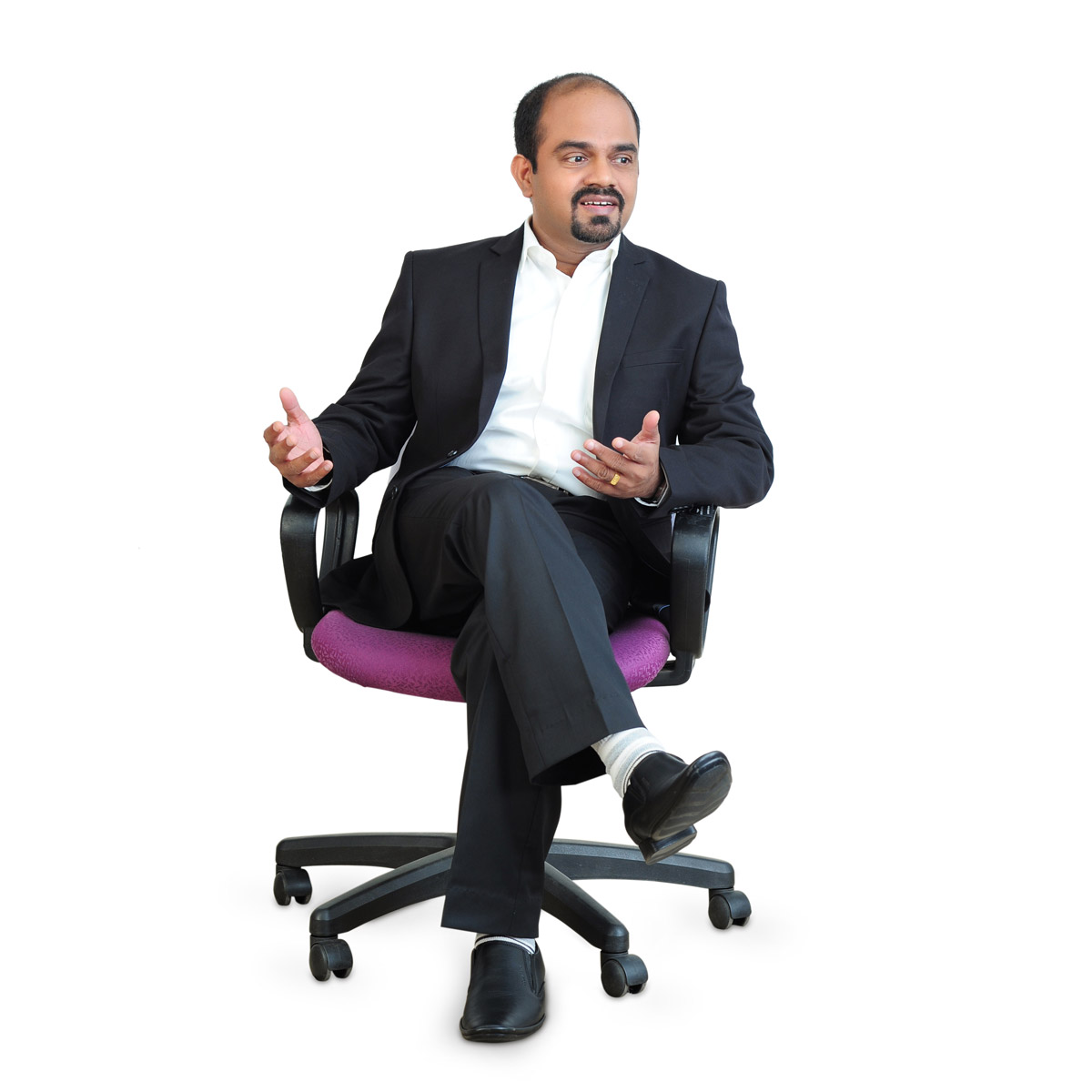
Anoop Lal
MBBS, MD, DPH, FPC, CCWS (USA)
Dr. Anoop Lal is a Preventive Medicine & Public Health Specialist and a globally renowned Sustainable Healthcare Consultant, with a mission to Make Healthcare Sustainable using Exponential Technologies. For this he has founded ZOVOZ Technologies, a healthcare technology company and CareMithra Health Systems, an end-to-end healthcare care delivery platform. The USP of Dr. Lal is expert level command in Medicine Sciences as well as Healthcare Technologies, owing to which he is able to liaise seamlessly with the medical and technology domains to create sustainable healthcare solutions.
Sustainable Healthcare Blog
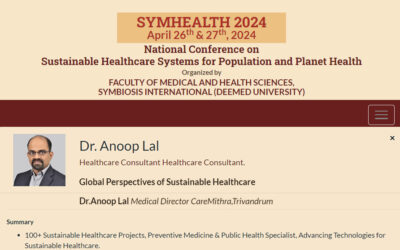
Speaking at SymHealth 2024 Pune on Sustainable Healthcare
Honoured to be speaking at the esteemed Symbiosis International University, Pune, on the Topic of “Global Perspectives of Sustainable Healthcare” on 26th April, 2024, as part of SYMHEALTH, their Annual Health Conference, themed this time on Sustainable...

Automation Does Not Take Away Jobs, Stagnation Does: The Impact of Automation, AI, and Robotics on Healthcare Jobs
In the fast-evolving landscape of healthcare, automation, artificial intelligence (AI), and robotics have emerged as transformative forces that hold the promise of improving patient outcomes, enhancing efficiency, and ultimately revolutionizing the industry. Contrary...

An Alliance for Advancing Sustainable Healthcare in India
In an era marked by increasing public health concerns, rapidly evolving technology, and spiralling healthcare costs, sustainability in healthcare has emerged as a critical focal point of discussion. Recognizing the need for transformative change, the Sustainable...
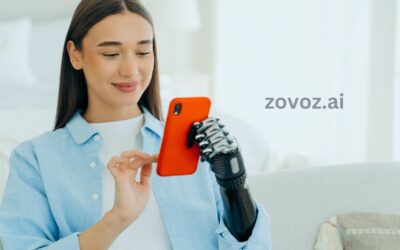
Disability Need Not Lead to Handicap: The Role of Medical Robotics in Empowering Amputees
In a world driven by technological advancements, the convergence of robotics and healthcare is rewriting the narrative for individuals who have experienced limb loss. The advent of bionic limbs, fueled by medical robotics, is turning the tide for amputees, proving...
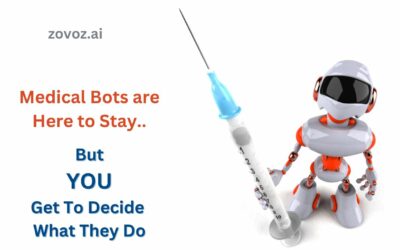
Medical Bots are Here to Stay
Medical robotics offers a promising future in healthcare, providing advanced technologies that enhance precision, efficiency, and patient outcomes. Far from replacing human care, these robotic innovations serve as valuable tools in the hands of skilled medical...

Sustainable Healthcare through Optimal Use of Technology
Sustainable healthcare represents a paradigm shift that transcends the traditional boundaries of healthcare.

Contact Dr. Lal
You can enquire about the services of Dr. Lal as a Sustainable Healthcare consultant.
Call Dr. Lal
For quick questions, you can also
WhatsApp Dr. Lal
Also, your valuable feedback and suggestions are always welcome.